Navigating UK Business Banking: The Ultimate Guide for Expats

Operating a business as an expat in the UK presents a unique set of challenges, not least among them securing a suitable business bank account. While the UK financial landscape offers a plethora of options, identifying the ‘best’ account requires a nuanced understanding of expat-specific needs. This comprehensive guide aims to illuminate the critical factors and provide a persuasive argument for selecting an account that genuinely supports your entrepreneurial journey.
Why Expats Need Specialized UK Business Bank Accounts
Expats often encounter hurdles that local entrepreneurs do not, such as proof of residency, credit history limitations, or the need for seamless international transactions. A standard UK business bank account might suffice for a resident, but for an expat, an account tailored to these specific demands can be a game-changer. The right account facilitates smooth financial operations, minimizes fees, and provides the necessary tools for cross-border business activities, ultimately contributing to your venture’s success.
Overcoming Common Expat Banking Hurdles
- Proof of Address: Many traditional banks require a long-standing UK address, which can be difficult for recent arrivals.
- Credit History: Establishing a UK credit history takes time, potentially impacting loan or overdraft applications.
- International Transactions: Frequent transfers to or from overseas accounts necessitate competitive exchange rates and low fees.
- Remote Management: The ability to manage finances effectively from abroad is crucial for globally mobile entrepreneurs.
Key Features to Prioritize in a UK Business Bank Account
When evaluating potential banking partners, expats should look beyond basic account functionalities. Focus on features that directly address the complexities of international business and remote management.
Robust Online and Mobile Banking
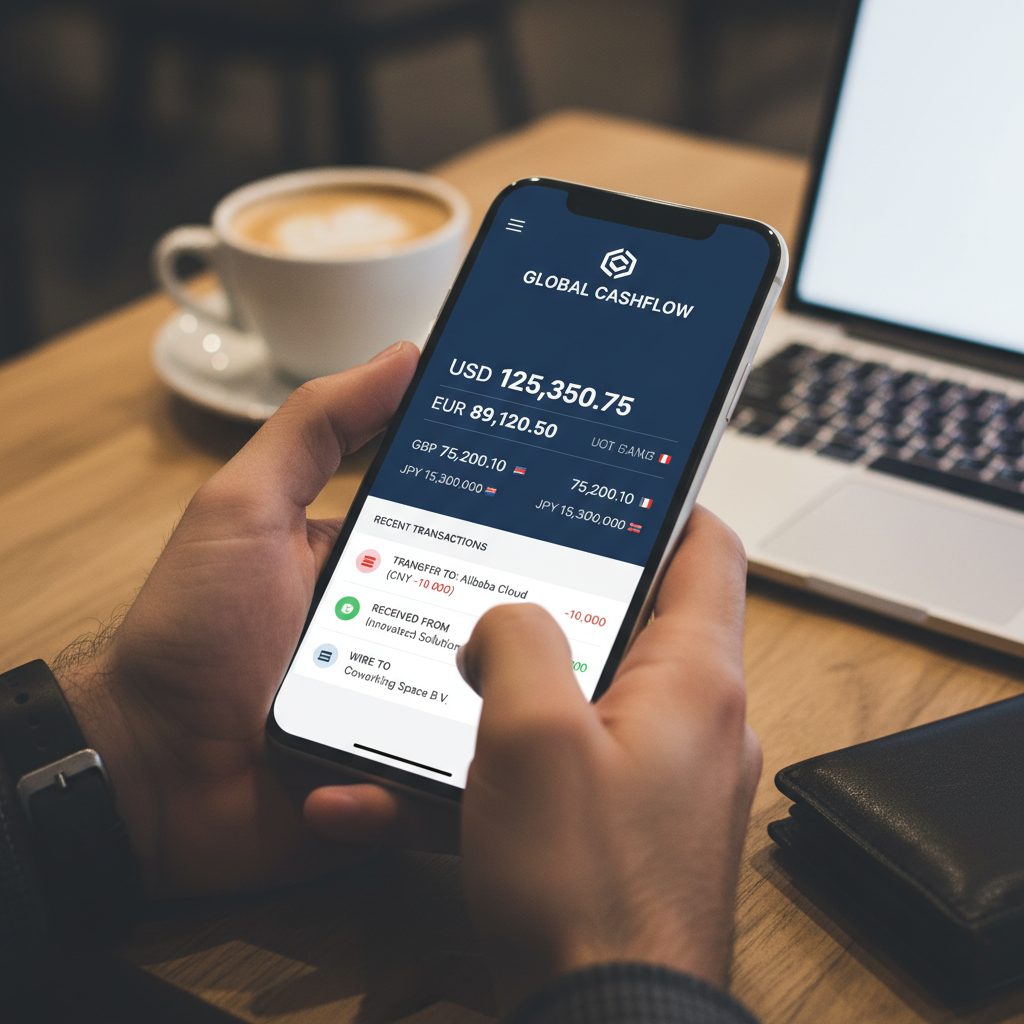
In today’s digital age, 24/7 access to your finances via a secure online platform or mobile app is non-negotiable. For expats, this feature is even more critical, allowing you to manage transactions, monitor cash flow, and communicate with your bank regardless of your physical location or time zone. Intuitive interfaces and strong security protocols are paramount.
Competitive International Transfer Services
Businesses operated by expats often involve international clients, suppliers, or personal financial transfers. Look for accounts offering:
- Low or no fees on international payments.
- Favorable exchange rates with transparent markups.
- Swift transfer times for urgent payments.
- Multi-currency accounts to hold funds in various denominations, minimizing conversion losses.

Dedicated Expat Customer Support
Navigating financial regulations and products can be complex. A bank that offers dedicated support or advisors familiar with expat circumstances can prove invaluable. This includes multi-lingual support, extended customer service hours, and personalized guidance on international banking solutions.
Clear Fee Structures and Transparency
Hidden fees can erode your profits. Insist on a bank that provides a clear, comprehensive breakdown of all charges, including monthly maintenance fees, transaction fees, international transfer fees, and ATM withdrawal charges. Transparency builds trust and allows for accurate financial planning.
Top Considerations for UK Business Bank Accounts for Expats
While specific bank recommendations can fluctuate, understanding the types of providers and what they generally offer will guide your decision.
Traditional High Street Banks
Established banks often provide a sense of security and a wide range of services, including dedicated relationship managers and potential access to lending. However, their application processes can be more stringent for expats, and international transaction fees might be higher.
- Pros: Established reputation, extensive branch network (if needed), broader financial product offerings.
- Cons: Stricter eligibility criteria for expats, potentially higher international transfer fees, less flexible digital-first solutions.
Challenger Banks and Fintech Providers
Digital-first banks and fintech companies have revolutionized business banking with their agile, app-based solutions. Many are particularly well-suited for expats due to their emphasis on ease of account opening, competitive international transfer rates, and robust online features.
- Pros: Easy and fast online account opening, low or no monthly fees, excellent mobile banking apps, competitive international exchange rates.
- Cons: May lack physical branches, some services (e.g., complex lending) might be limited compared to traditional banks.
The Application Process: What to Expect
Regardless of your chosen provider, prepare to present specific documentation. While requirements vary, generally you will need:
- Proof of Identity: Passport or national ID.
- Proof of UK Address: Utility bill, tenancy agreement, or council tax bill (even if temporary).
- Proof of Business: Company registration documents, business plan, or proof of trading.
- Visa/Residency Status: Documentation affirming your right to reside and work in the UK.
Be prepared for a potentially longer verification process than for a UK resident. Providing all necessary documents upfront can significantly expedite the application.
Conclusion: Empowering Your Expat Business Journey
Choosing the best UK business bank account as an expat is a strategic decision that underpins your entrepreneurial success. By prioritizing robust online capabilities, competitive international services, transparent fees, and expat-friendly support, you can secure a banking partner that not only meets your operational needs but actively facilitates your growth in the dynamic UK market. Invest the time to research thoroughly, and you will lay a solid financial foundation for your business abroad.